












Welcome To Our RV Blog Section
Thank you for visiting our RV blog where you'll find tons of information about RVing, taking care of your RV, RV Safety and a whole lot more. Our goal is to keep RVers up to date on important information related to the industry and to provide tips on how to stay safe while travelling. Make sure to bookmark this page as we'll be updating it frequently!

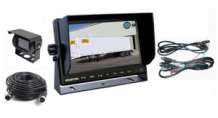
The Ultimate Guide To Parking And Backing Up Your RV Safely
There's nothing quite like the RV lifestyle but making sure you can park and safely back up your RV is a must.
Buy A Local RV And Purchase Canadian
If you are going to purchase an RV, our suggestion is to buy Canadian. We believe the highest priority is the promotion of the RV industry and the support of our great Canadian RV dealers.
RV Dealer Events: October 2015
If you're looking to find out what our participating RVHotline dealers are up to for the month of October, then look no further. Check back every month for all event details.
Bucars RV: Calgary's First RV Dealer
Take a visit to Calgary, Alberta's first RV Dealership - Bucars RV.
RV Dealer Events: September 2015
If you're looking to find out what our participating RVHotline dealers are up to for the month of September, then look no further. Check back every month for all event details.
5 Products reviewed by our very own RVHotline Canada Dealers.
We've been watching, we've been listening, here they are! RV Dealers on video showing you products they stand by. Check it out!
A Guide To Used Tent Trailers, Truck Campers, Hybrids and More!
Used Units are just as HOT as this weather in 2015! Check out RVHotline Canada's great selection of used inventory brought to you by well known RV Dealers across Canada.
RV Dealer Events: July 2015
If you're looking to find out what our participating RVHotline dealers are up to for the month of July, then look no further. Check back every month for all event details.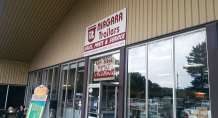
A Recent Experience with Niagara Trailers in St. Davids Ontario
I had the recent pleasure to have a complete walkthrough of a 2006 Rockwood Tent Trailer with Mike at Niagara Trailers.
Carefree RV Resorts and RV Communities
Imagine a summer in the north woods of Ontario, cool breezes floating by and tranquil lakes rippling with prime fishing.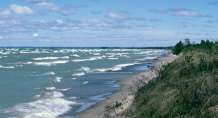
The Perfect Park You Might Have Never Heard Of
Choosing an RV travel destination is no easy task, some might say a daunting one even. If you have been entrusted with planning a trip that will be fun for everyone and leave you looking like a guru of travel then I have a spot for you
5 First Aid Mistakes to Avoid While Camping
The warmer weather is now finally upon us and most are looking to enjoy the great outdoors. Hopefully most of our summer adventures will not result in the use of any first aid measures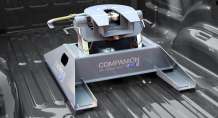
The B & W Companion 5th Wheel Hitch
Ever use your truck when not towing? We thought you did!
RV Tips & Tricks: Our Top 9 RV Related Youtube Videos
YouTube has provided a great platform for video tutorials and tips. Many seasoned RVers and RV Dealers have created some great content. We've narrowed it down for your viewing pleasure.
Top 5 Ontario Provincial Parks
We here at RVHotline love camping, and we know you do too. We’ve compiled a list of our favourite Ontario Provincial Parks so you can enjoy the rest of the summer the way you want to.
7 Free Apps for your RV Trip
As modern technology continues to move forward, Apps for your Smartphone have given the RVer a greater set of tools.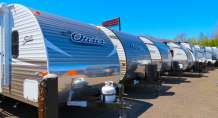
Recreational Vehicles for Sale at Destination RV
Family owned and Operated since 2011, Destination RV is has quickly become the place to visit when searching for your next adventure on wheels. Located in Greater Barrie, Ontario, schedule your appointment today!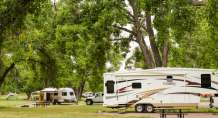
How to Choose a Fifth Wheel Travel Trailer
Choosing a new or used fifth wheel can be difficult. Sandy and Reno from Destination Adventure interview an expert in the field, Brad Campkin from Campkin's RV Centre.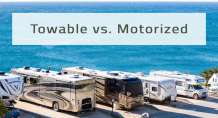
Towable vs. Motorized RVs: Buying your first Recreational Vehicle
You've finally decided that camping in a tent just won’t suffice and are looking to take the next step.
Recreational Vehicles for SALE!
Recreation Vehicles or RV's for short are a trending to be the NEW way to travel, vacation, and live. RV's have been around for years, and have been improving every year. Check out RVHotline Canada s selection of New and Used to find out yourself why RVing is the new vacation destination!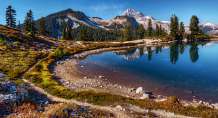
Start planning your Canadian RV Trip: Awesome Places to Visit
Canada has some of the the most beautiful areas in all the world, and a new year brings with it new opportunities for great adventure.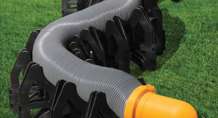
RVers RVing tips for campground hook-ups
When pulling into the campground, what should we hook-up first, and why?
1
 Advertisement
Aug 29, 2016
Jul 4, 2016
Sep 30, 2015
Aug 26, 2015
Aug 20, 2015
Jun 30, 2015